

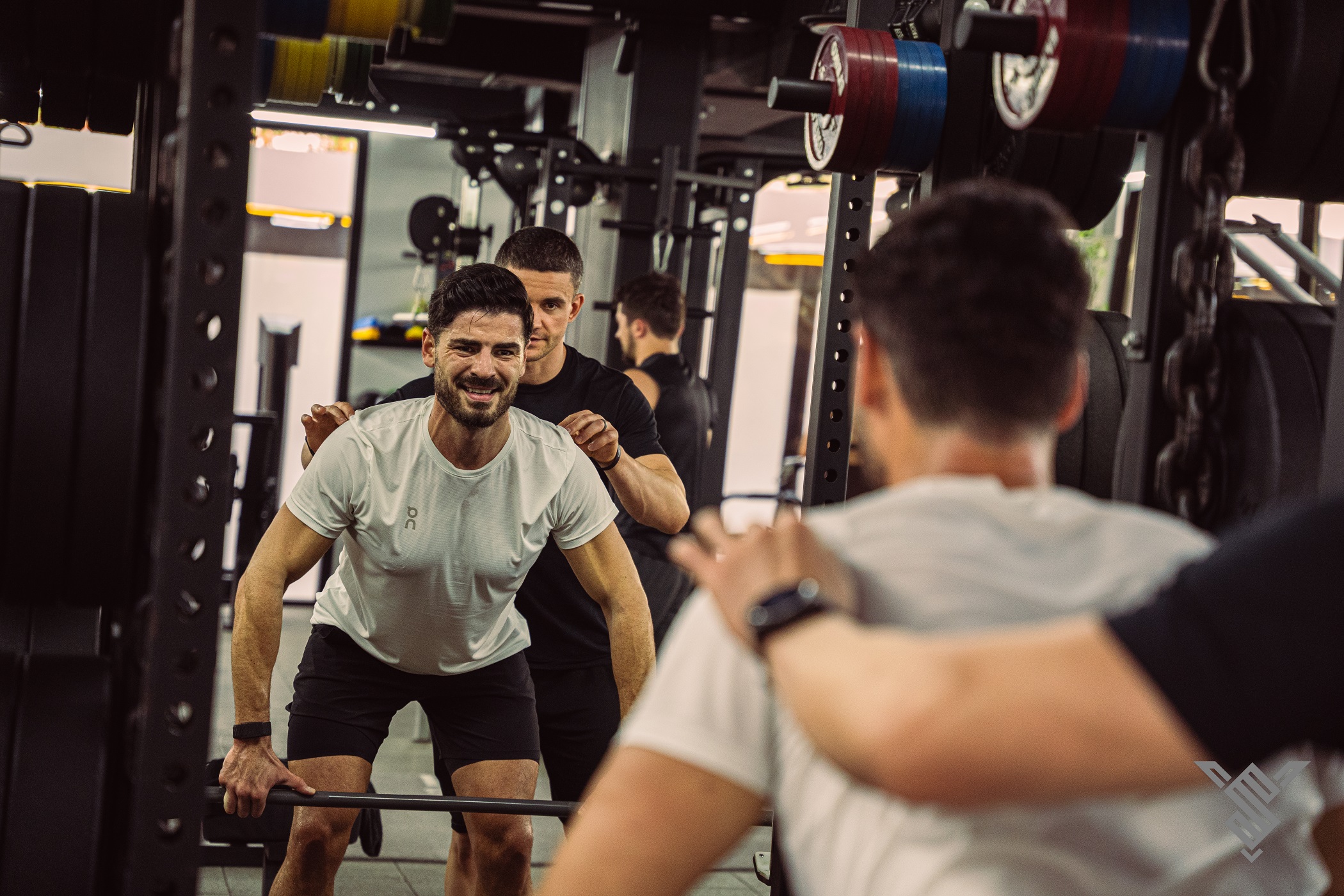
Do You Need Sports Supplements? Protein, Creatine & BCAA Explained
At Youskilled Home, we believe in starting with a strong gut first. If your digestion is off, adding supplements is like pouring water into a broken funnel. Your digestive system can’t process or absorb what it’s not ready for.
Before You Buy Supplements, Ask This First
So instead of reaching for a supplement, ask yourself: is my gut healthy enough to absorb the nutrients I’m already eating?
Most people can reach 90–95% of their strength potential and fitness goals without ever taking supplements. But let’s break things down further.
Protein Powder: Shortcut or Overrated?
Yes, protein powder is popular—but that doesn’t mean it’s required. Most people get enough protein if they’re eating meat, eggs, dairy, fish, legumes, and tofu regularly.
However, protein powder may help if:
- You’re training at a high level and need fast-digesting post-workout options
- You’re vegan or vegetarian and have difficulty hitting daily targets
- You’re on the go and miss meals
Whey isolate is generally well-tolerated and absorbed quickly. At Youskilled Home, we recommend trying real food first, then using supplements only when dietary gaps remain.
Creatine: Worth the Hype?
Creatine monohydrate is the most researched and effective sports supplement for strength and power. It supports short bursts of energy (like lifting and sprinting), helps build lean muscle, and may even aid cognitive function.
It’s cheap, safe, and effective. The recommended dose is 3–5g per day. No need to cycle. No, it doesn’t harm your kidneys if you're healthy. And yes, drink water—creatine pulls water into your muscle cells to do its job.
BCAAs: Necessary or Just Trendy?
BCAAs (branched-chain amino acids) are building blocks of protein. Unless you’re training fasted or under heavy calorie restriction, BCAAs aren’t essential if you’re getting enough complete protein in your meals.
Still, they may be useful for:
- Fast-training sessions without food beforehand
- People struggling to recover between back-to-back workouts
But again—protein from whole foods usually covers this.
What We Recommend at Youskilled Home
- Step 1: Dial in sleep, hydration, and real food
- Step 2: Track training and recovery markers
- Step 3: Only add supplements based on actual needs, not social media hype
Other Smart Supplements (Optional)
- Magnesium: For sleep, recovery, and cramps
- Omega-3: For inflammation and joint health
- Vitamin D: If bloodwork shows a deficiency
- Probiotics: If gut function is weak or post-antibiotic
Final Takeaway
Supplements can help, but they’re not magic. They don’t replace consistency, sleep, hydration, and eating nutrient-dense meals.
Build a strong base first. If you decide to add anything, know what you’re trying to improve—and keep it simple.
Train smart. Recover well. Supplement last.